Editorial notice. CONUI is an independent editorial publication. This article is editorial coverage based on publicly available information; CONUI is not affiliated with, endorsed by, or representing any individuals, companies, or projects mentioned. Nothing in this article constitutes financial, investment, or legal advice. See our editorial standards.
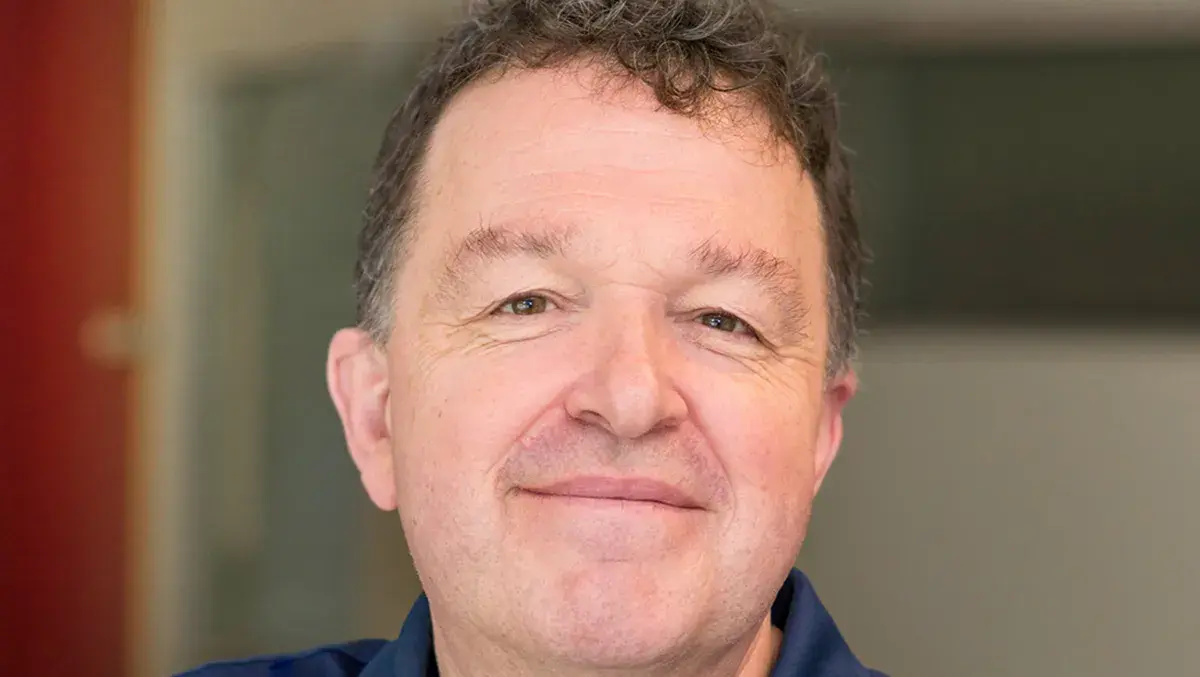
Lisa Tzwu-Fang Su is the Taiwanese-American electrical engineer and corporate executive who, since taking the chief executive role at Advanced Micro Devices (AMD) in October 2014, has overseen one of the most remarked-upon corporate turnarounds in the modern semiconductor industry. Trained as a device engineer at the Massachusetts Institute of Technology — where she completed undergraduate, master’s, and doctoral degrees in electrical engineering — Su’s career took her through research and development positions at Texas Instruments, IBM, and Freescale Semiconductor before she joined AMD in 2012. Under her leadership, AMD’s Zen microarchitecture programme, launched in 2017, has become one of the most-cited examples of an established chip company successfully re-entering competitive contention after a long period of difficulty.
| Lisa Su — Quick Facts | |
|---|---|
| Full Name | Lisa Tzwu-Fang Su |
| Born | 7 November 1969 — Tainan, Taiwan |
| Nationality | Taiwanese-American |
| Known For | Chair and Chief Executive Officer of AMD; led the company’s Zen-architecture turnaround; one of the most-recognised semiconductor executives of her generation |
| Education | BS, MS, and PhD in Electrical Engineering, Massachusetts Institute of Technology (1994) |
| Companies / Roles | Texas Instruments (early career); IBM Research (1995–2007); Freescale Semiconductor (2007–2012); AMD (2012–present, CEO from 2014) |
| Honours | IEEE Robert N. Noyce Medal (2021); Time 100 Most Influential People (2020); Semiconductor Industry Association Robert N. Noyce Award (2021); numerous engineering-society honours |
Early Life in Tainan and the Move to New York
Lisa Su was born in Tainan, on the southwestern coast of Taiwan, in November 1969. Her family emigrated to the United States when she was three years old; she grew up primarily in New York City, where her father worked as a statistician and her mother in business administration. She has spoken in published interviews — including those given following her appointment as AMD’s CEO — about a household that emphasised mathematics and engineering early.
She attended the Bronx High School of Science, one of the most academically selective public high schools in the United States, before enrolling at the Massachusetts Institute of Technology in 1986. Her undergraduate research focused on silicon-on-insulator devices, a topic she would continue to work on through her graduate years.
MIT Undergraduate Research and the Doctoral Years
Su completed her bachelor’s, master’s, and doctoral degrees in electrical engineering at MIT, finishing her PhD in 1994. Her doctoral work, supervised by Professor Dimitri Antoniadis, focused on silicon-on-insulator (SOI) MOSFET technology — research that, at the time, was considered exotic but that subsequently became a foundational technique in mainstream semiconductor manufacturing.
The MIT period also produced the technical grounding for her later operational career. Several of her doctoral colleagues went on to senior research and engineering roles in the semiconductor industry, and her network from this period has continued to figure in interviews and conference appearances throughout her career.
IBM, Freescale, and the Early Career in Semiconductors
After completing her PhD, Su joined Texas Instruments briefly before moving to IBM Research in 1995. She remained at IBM for twelve years, holding successively senior technical and management positions. According to publicly available IBM records and her subsequent interviews, her work during this period included contributions to copper-interconnect manufacturing, immersion lithography, and the development of the silicon-germanium-on-insulator process used in IBM’s PowerPC and POWER processor families.
In 2007, Su moved to Freescale Semiconductor as Senior Vice President and General Manager of the company’s networking and multimedia group. She remained at Freescale until 2012, contributing to the company’s product strategy through a period of substantial competitive pressure in the embedded-processor segment.
Joining AMD in 2012 and the Early Roadmap
Su joined Advanced Micro Devices in January 2012 as Senior Vice President and General Manager of the company’s Global Business Units. The arrival came at a difficult moment for the company. AMD had lost substantial competitive ground to Intel in the x86 processor market and was struggling to identify a coherent product strategy that could restore its earlier engineering credibility.
Within two years, Su had been promoted to Chief Operating Officer (May 2014) and then, in October 2014, to Chief Executive Officer. Her appointment was widely covered in the technology press as a generational shift at the company. According to her published statements at the time and in subsequent interviews, her early priorities centred on rebuilding the company’s product roadmap, refocusing engineering investment, and re-engaging with major server-and-PC original equipment manufacturers.
The Zen Architecture Pivot and the Regaining of x86 Ground
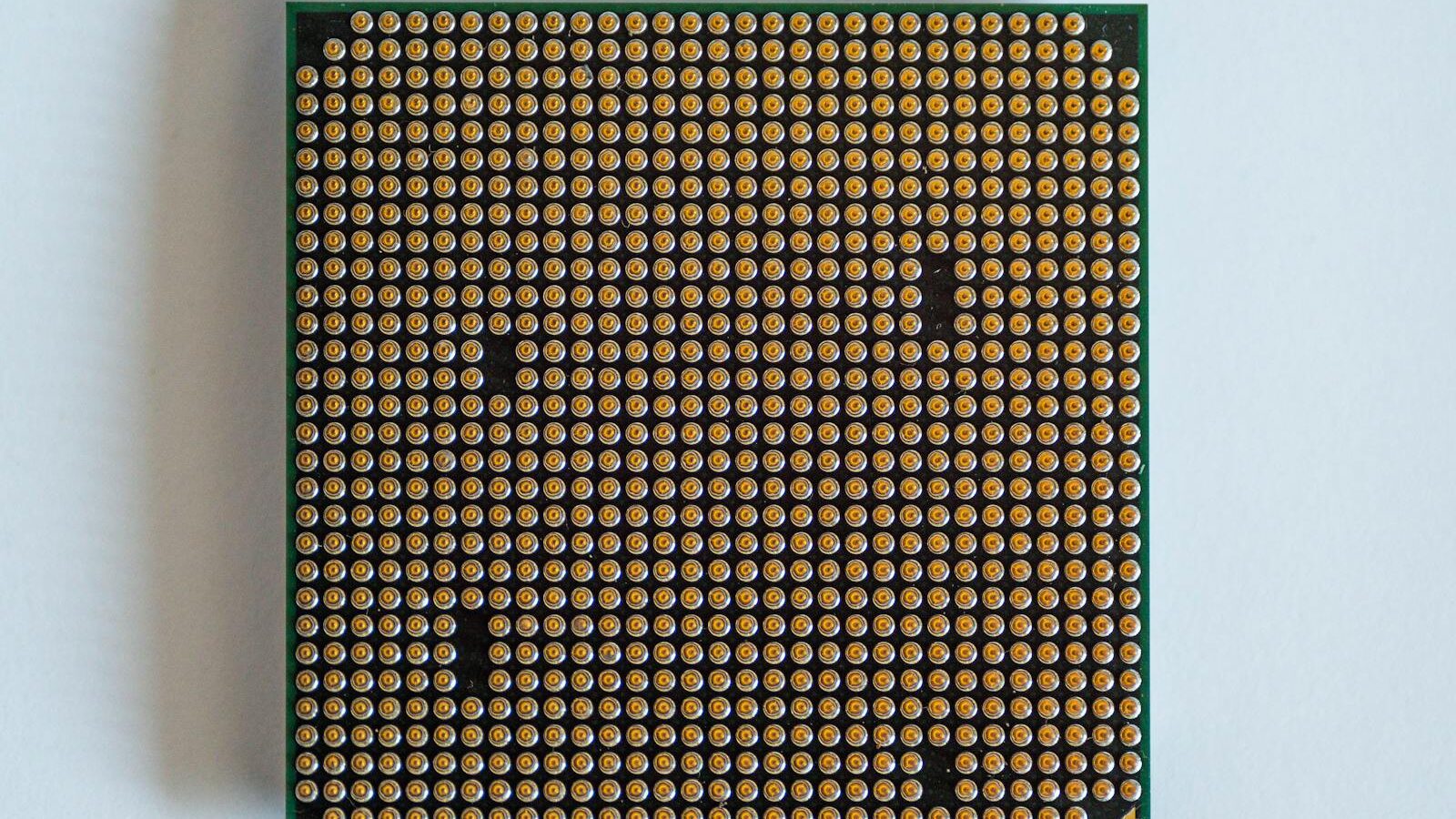
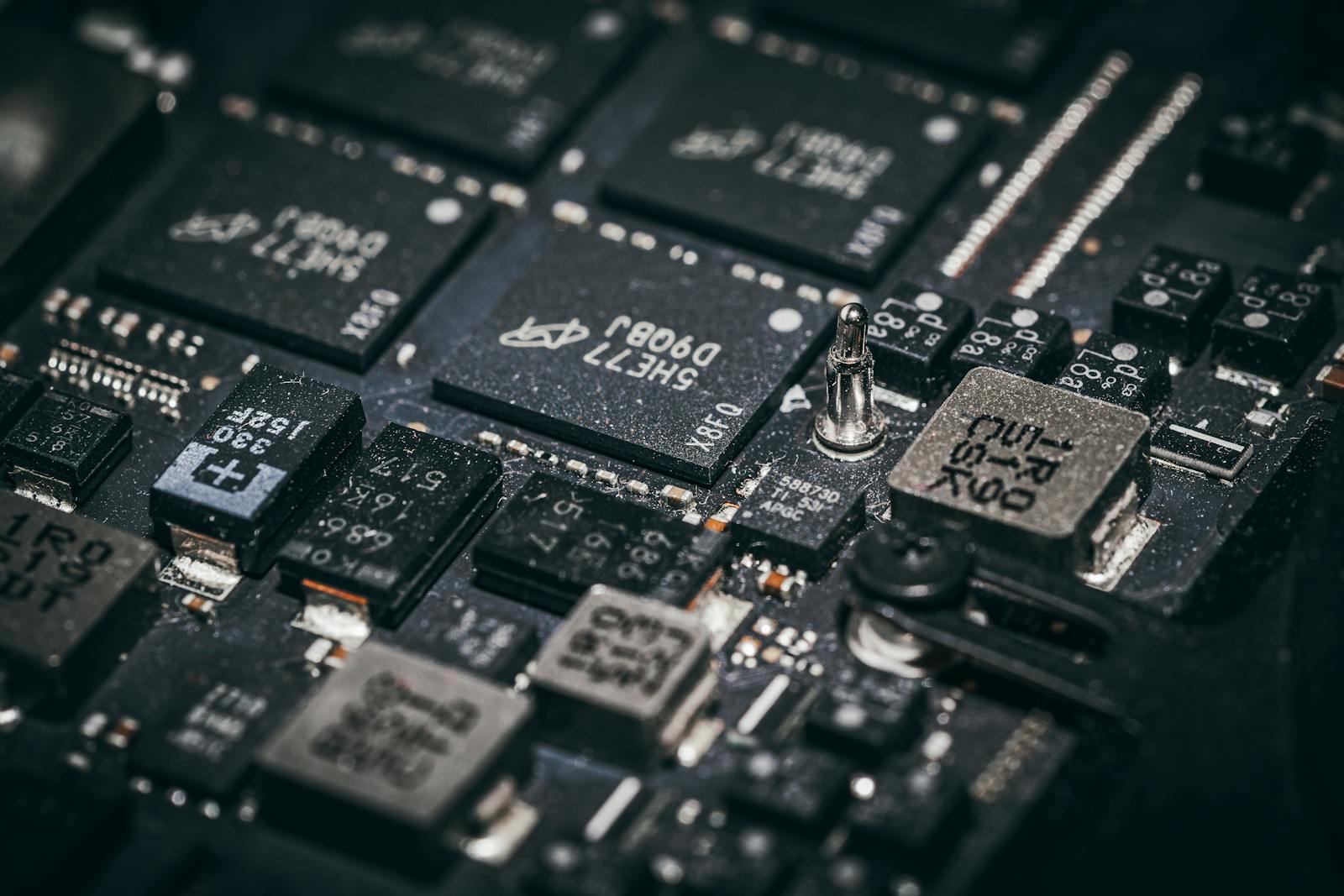
The signature technical decision of Su’s tenure was the company’s commitment to the Zen microarchitecture, the foundation of AMD’s Ryzen consumer-processor and EPYC server-processor families. The first Zen-based products shipped in 2017, and the architecture has been iterated through successive generations (Zen 2, Zen 3, Zen 4, Zen 5) over the years that followed.
Coverage of the architecture in AnandTech, Tom’s Hardware, The Verge, and the broader hardware press has consistently identified the Zen programme as the central technical achievement of the AMD turnaround. Industry analysts at firms such as Mercury Research have documented the company’s progressive recovery of x86 market share through the late 2010s and into the 2020s.
AMD in the AI-Hardware Era and the Data-Center Programme
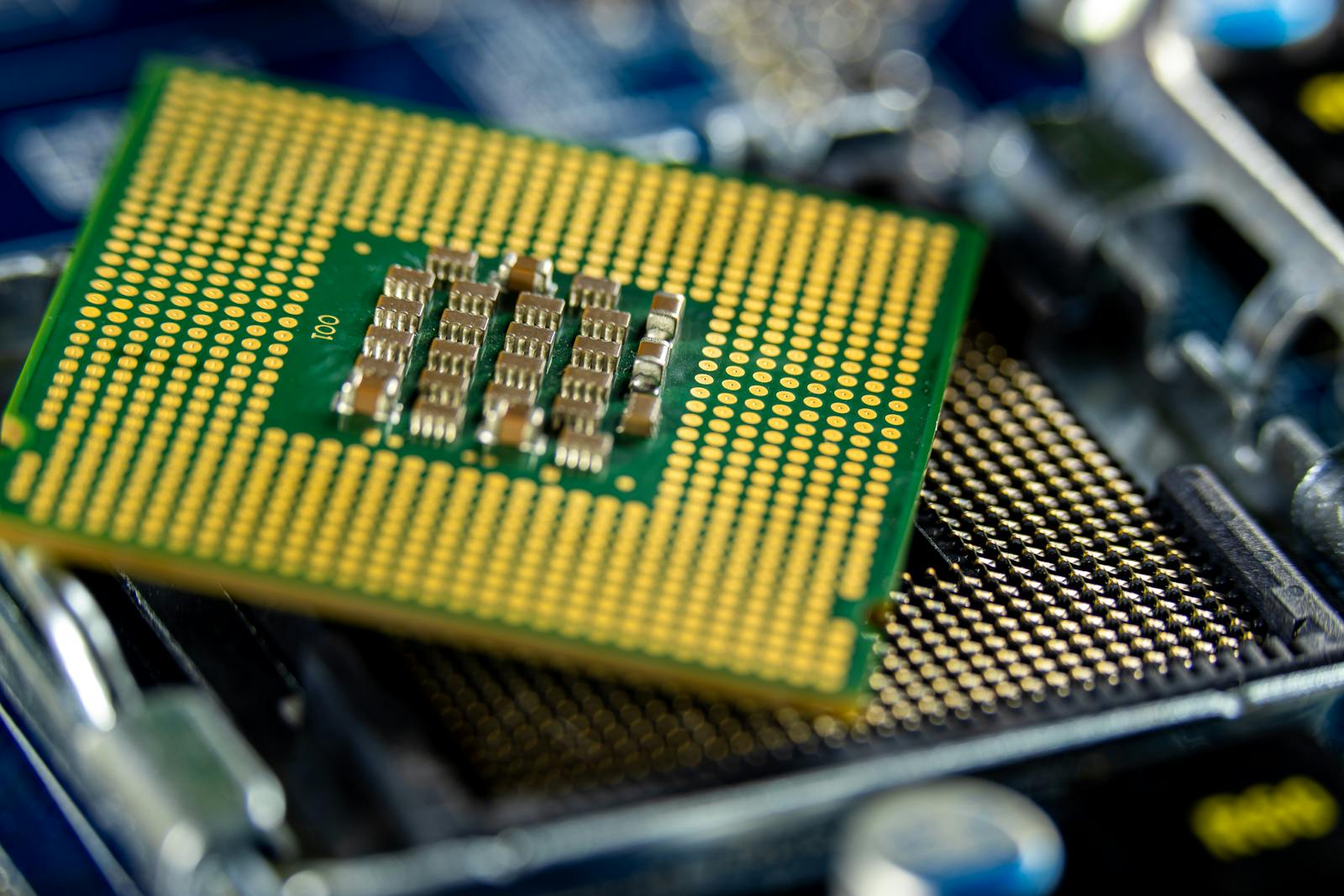
From the late 2010s onward, AMD’s product strategy has increasingly emphasised data-center workloads — first through the EPYC server-processor line and subsequently through the company’s Instinct accelerator programme for AI training and inference workloads. The MI300 series, formally launched in late 2023, represented the company’s most substantial effort to compete in the high-performance AI accelerator segment.
Coverage in Reuters, The Financial Times, and The Wall Street Journal through 2024 and 2025 has covered the company’s progressive customer wins among major cloud and AI-platform operators. In April 2024, AMD also acquired the AI-software firm Silo AI in Helsinki for approximately $665 million — one of the largest software acquisitions in the company’s history.
Lisa Su Today: Chair, CEO, and US Semiconductor Policy
Su has been one of the more publicly engaged technology executives on questions of US semiconductor policy. She has testified before Congress on chip-supply-chain issues, contributed to discussions surrounding the CHIPS and Science Act, and participated in industry-association engagements with the federal government on research-investment priorities. Her appointment as chair of AMD’s board of directors, in addition to her CEO role, has further consolidated her organisational position.
She has consistently emphasised long-term engineering investment in published interviews, identifying the multi-year nature of semiconductor product cycles as a central operational reality of the industry. As of 2026, she remains chair and chief executive of AMD, with no publicly disclosed plans for transition.
Career Timeline
- 1969 — Born in Tainan, Taiwan
- ~1972 — Family emigrates to New York
- 1986 — Enrolls at MIT
- 1994 — Completes PhD in Electrical Engineering at MIT
- 1995 — Joins IBM Research
- 2007 — Joins Freescale Semiconductor as Senior VP
- January 2012 — Joins AMD
- October 2014 — Appointed CEO of AMD
- 2017 — First Zen-architecture products shipped
- 2020 — Named to Time 100 Most Influential People
- 2022 — Named chair of AMD board (in addition to CEO)
- 2023 — MI300 AI-accelerator series launched
- April 2024 — AMD acquires Silo AI
Sources & References
- Lisa Su — Wikipedia
- AMD — Lisa Su executive biography
- MIT News — Lisa Su career retrospective
- Time 100 — Lisa Su (2020)
- IEEE — Robert N. Noyce Medal citation
- Reuters — coverage of MI300 series and AMD strategy
This article is an editorial profile of a public figure based on publicly available information at the time of publication. CONUI is not affiliated with, endorsed by, or representing the subject or any company she leads. Specific dates and figures reflect public reporting at the time of writing. Nothing in this article constitutes financial, investment, or legal advice. Corrections and updates are made as new information becomes available.