Editorial notice. CONUI is an independent editorial publication. This article is editorial coverage based on publicly available information; CONUI is not affiliated with, endorsed by, or representing any individuals, companies, or projects mentioned. Nothing in this article constitutes financial, investment, or legal advice. See our editorial standards.
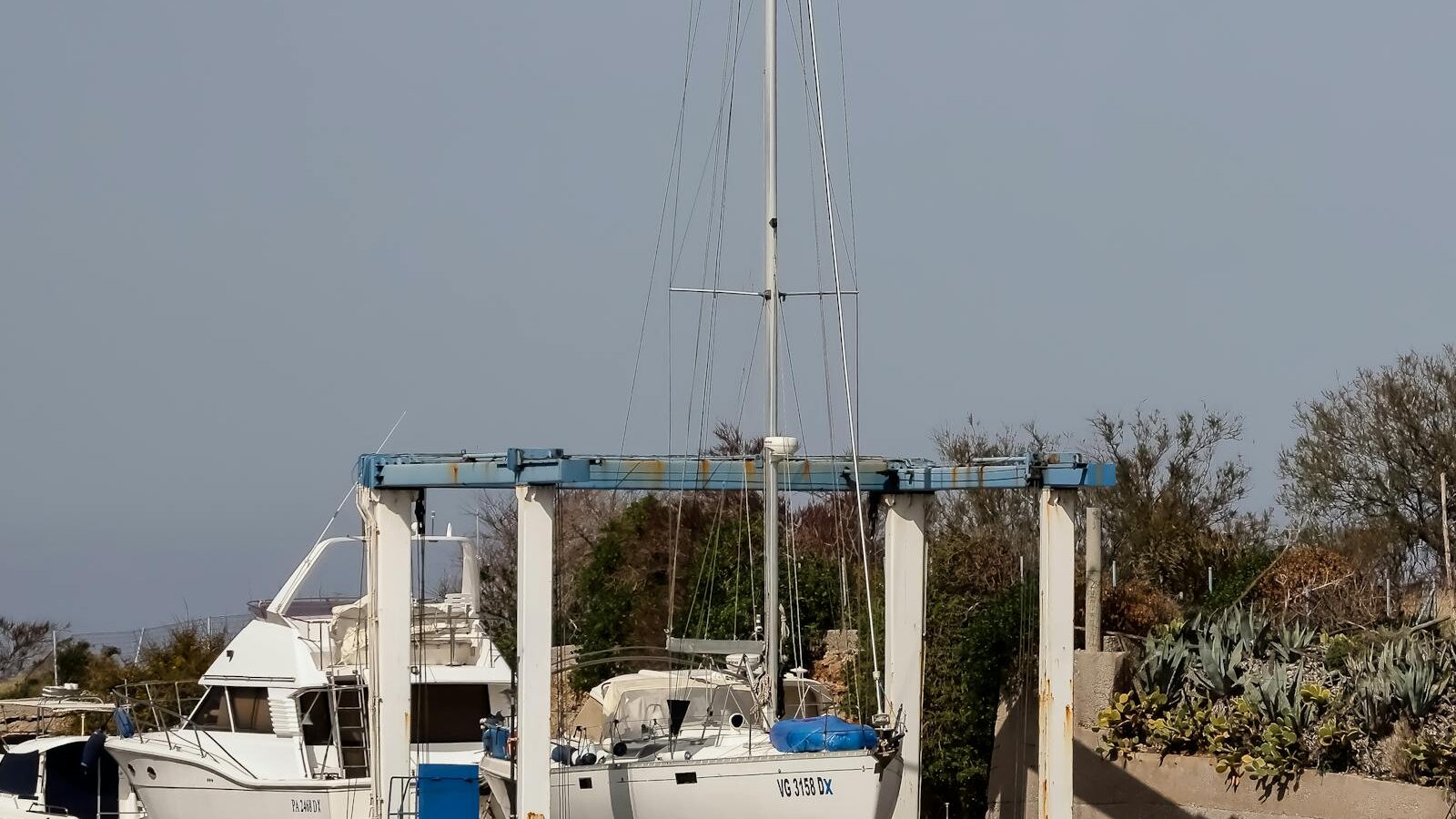
A modern superyacht of 50 metres or more is a structure designed to last decades — but the technologies, interior design conventions, and operational expectations that surround it can date in a fraction of that time. The result is one of the most distinctive sub-industries in contemporary yachting: the refit yard, where vessels are taken out of the water for periods that can stretch into years and rebuilt to standards their original launch could not anticipate. The most influential refit yards are concentrated in Italy, Spain, the Netherlands, the United Kingdom, and France, and the projects they execute have become a case study in how craft, engineering, and design culture extend the working life of large vessels.
| Modern Yacht Refit – Quick Facts | |
|---|---|
| What is a refit? | A comprehensive rebuild of an existing yacht – typically including hull work, mechanical systems, interiors, and compliance upgrades |
| Typical refit duration | 6 months to 3+ years, depending on scope |
| Major refit yards | Lurssen (Germany); Feadship (Netherlands); Pendennis (UK); MB92 La Ciotat & Barcelona; Lusben (Italy); Amico & Co (Italy); Monaco Marine (France) |
| Refit categories | Class refit; lengthening; full refit; cosmetic refit; sustainability retrofit |
| Drivers of refit demand | Class compliance cycles; new owner programmes; technology and sustainability upgrades; aesthetic renewal |
Why Yachts Are Refitted
The case for a major refit on a large yacht typically falls into one of four overlapping categories. The first is regulatory: large vessels operate under classification societies such as Lloyd’s Register, DNV, and RINA, with periodic mandatory survey cycles that require dry-docking and structural inspection. Many yachts are refitted in conjunction with these scheduled surveys to extend the works beyond strictly mandatory items.
The second is ownership change. A new owner taking on a yacht built to a previous owner’s specification will frequently commission a refit to bring the interior, mechanical layout, and operational profile in line with the new programme. The third is technology and sustainability: hybrid propulsion systems, modern HVAC and water-treatment equipment, lower-emission generators, and updated communications infrastructure. The fourth is aesthetic renewal – bringing a yacht’s exterior lines or interior finishes into a more contemporary register.
The Major Refit Yards of Europe
Refit work is concentrated in a small number of European yards with the dock dimensions, lift capacity, and skilled-trades base required for the largest vessels.
Lurssen in Germany is one of the largest superyacht builders in the world and operates dedicated refit facilities at its Bremen-Vegesack and Rendsburg sites. Feadship in the Netherlands operates refit programmes alongside its new-build production at Aalsmeer and Makkum.
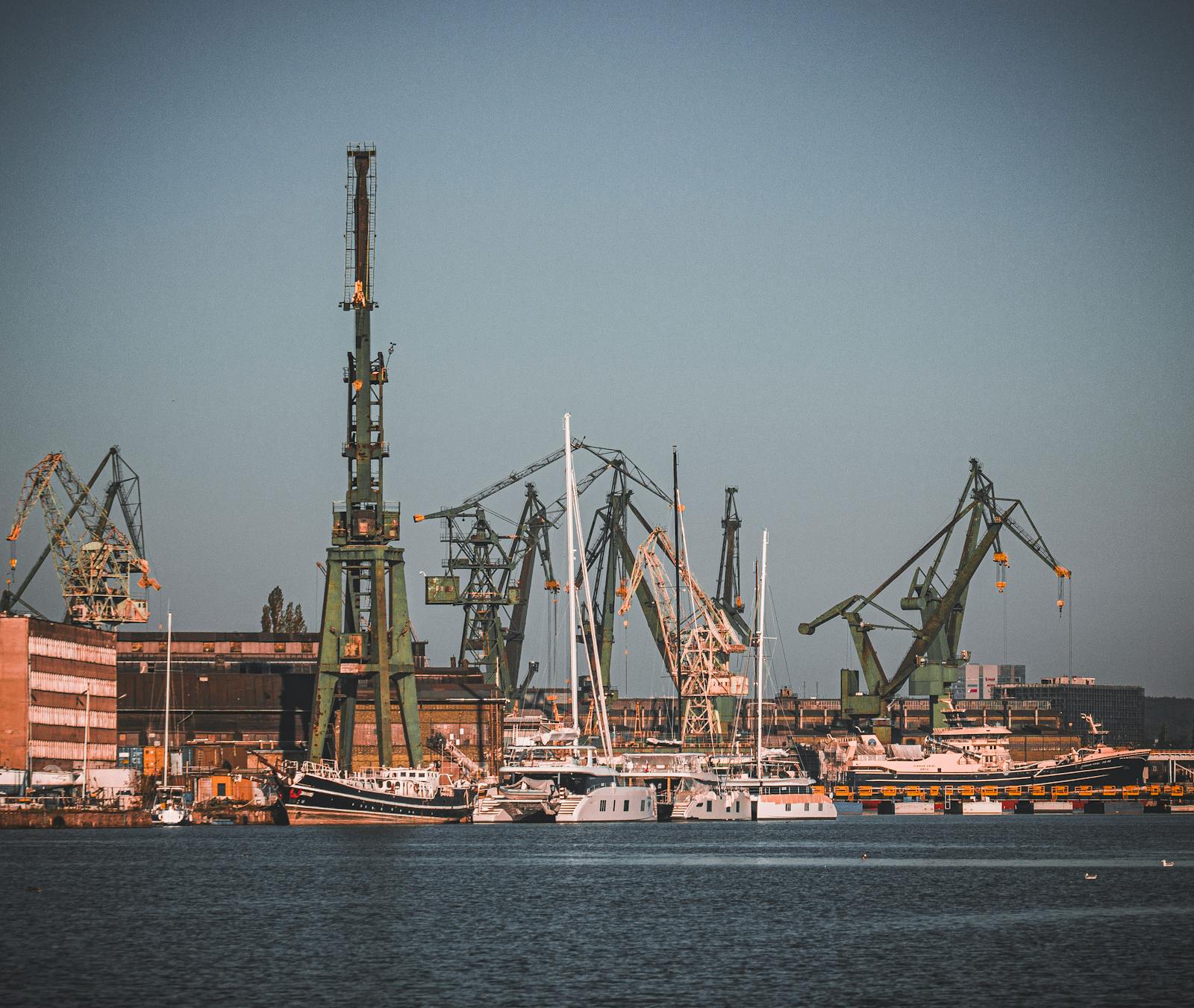
Pendennis in Falmouth, United Kingdom, has executed sequences of high-profile refits over the past three decades and is one of the few yards capable of comprehensive structural rebuilds in the 50-90 metre range. The MB92 Group, with facilities at Barcelona and La Ciotat, has become one of the largest dedicated refit operators in the Mediterranean – the latter site historically connected to the legacy commercial shipyard at La Ciotat.
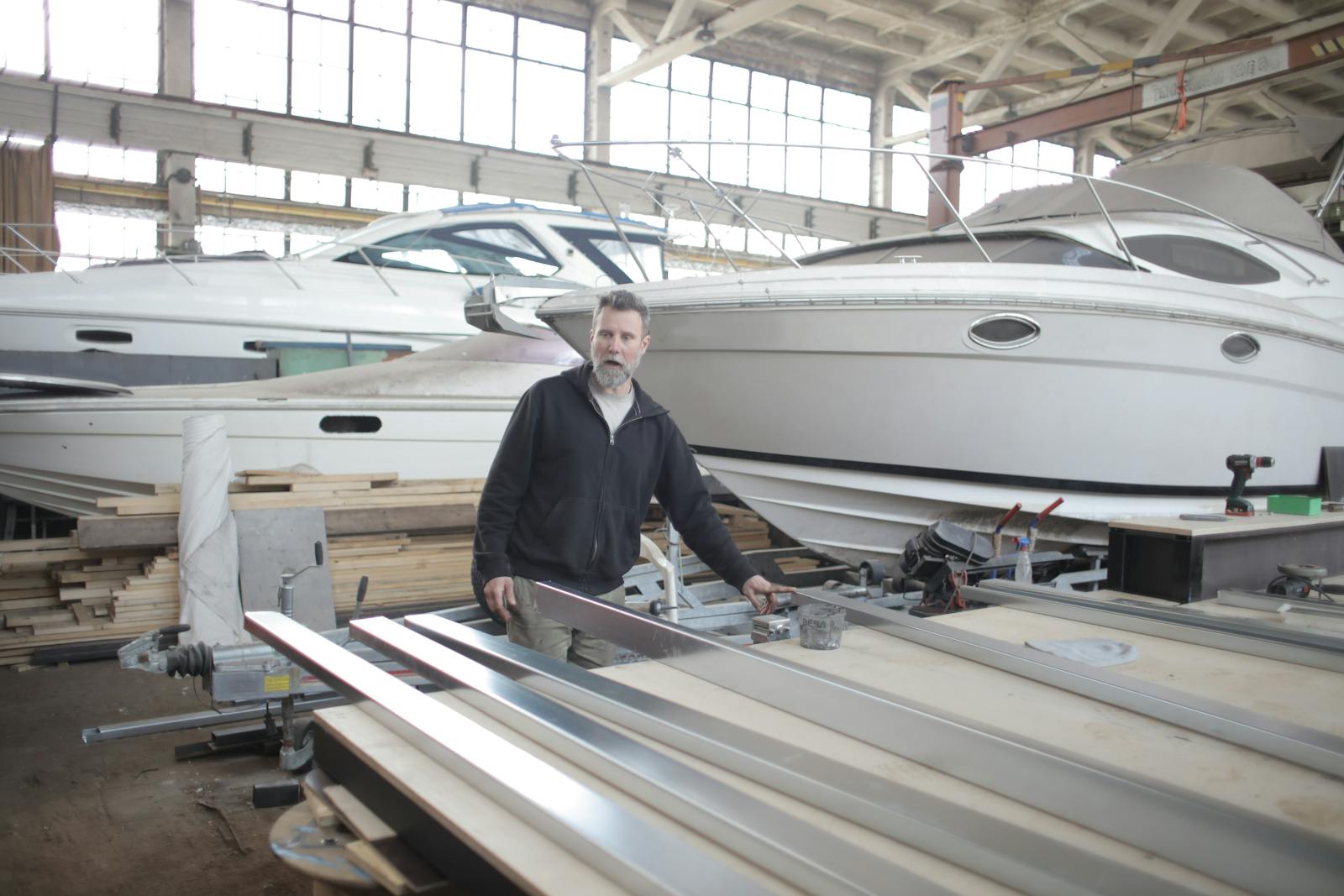
Italian yards include Lusben (part of Benetti / Azimut-Benetti) at Livorno and Viareggio, and Amico & Co at Genova – both with substantial covered halls dedicated to long-duration projects. Monaco Marine operates multiple Mediterranean sites and runs medium-scale refit work alongside maintenance programmes.
What a Comprehensive Refit Involves
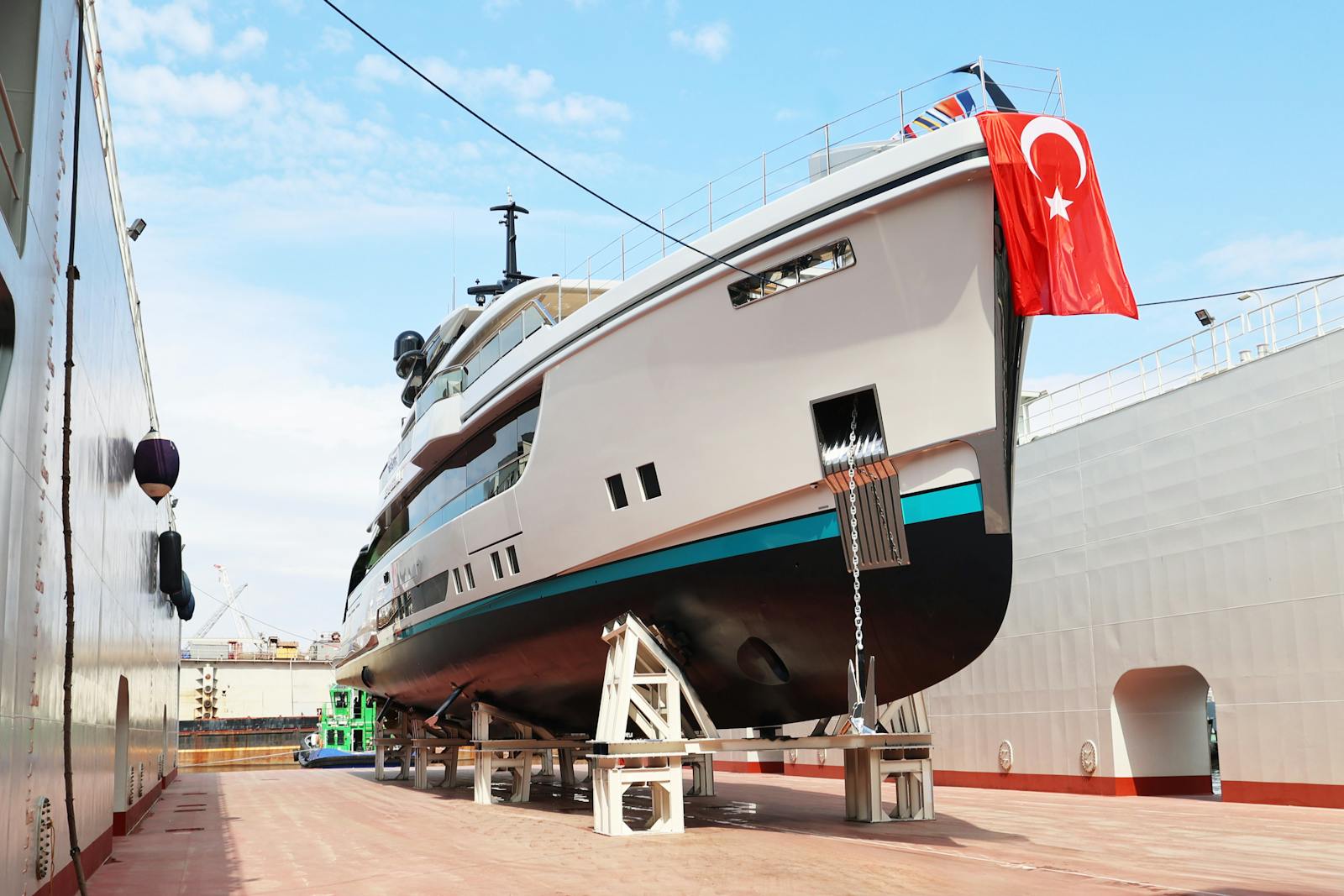
A full refit typically begins with a survey and a detailed scope agreed with the owner’s project team and naval-architecture office. Hull work may include re-fairing (the careful preparation and repainting of the hull surface), replating where corrosion or impact damage requires, and class-mandated structural inspection. Mechanical systems frequently see propulsion upgrades, generator replacements, and shifts to hybrid or diesel-electric configurations.
Interior work is often the most visible component to outsiders. Saloon spaces, owner suites, and guest cabins are stripped to the structural shell and rebuilt with new joinery, materials, and lighting. Bathing suites, audio-visual systems, and connectivity infrastructure are typically renewed. The work is frequently overseen by an external interior-design studio appointed by the owner, working alongside the refit yard’s project managers.
Beyond the visible interior, modern refits address what the yards collectively describe as the “back-of-house” – galley equipment, laundry, crew quarters, technical spaces, and machinery rooms – which receive substantially less coverage in design press but absorb substantial budget and engineering time.
Sustainability and the Refit Argument
One of the more substantive shifts in contemporary refit culture has been the adoption of sustainability framing. The argument made by many refit yards in their public materials is straightforward: extending the operating life of an existing yacht through a major refit avoids the embedded carbon and material cost of a wholly new build. Boat International and Superyacht Times have covered this argument in features over the past few years.
Sustainability-led refits typically include hybrid-propulsion conversions, improved waste-water treatment, lower-emission generator sets, and the use of biocide-free hull coatings. Some recent projects have incorporated battery-bank installations to support short-range electric-only operation in marine-protected areas.
The Role of Naval Architects and Designers
The refit process places the refit yard, the original naval architect (where still active), and an interior or exterior design studio in close working relationship – often for years. Studios that have worked frequently on refit programmes include Winch Design, Terence Disdale Yacht Design, Bannenberg & Rowell, Reymond Langton, and Italian houses such as Salvagni Architetti and Lazzarini & Pickering.
Coverage in Architectural Digest and other design press has noted that the most accomplished refits often substantially preserve the exterior signature of the original design while comprehensively renewing interior volumes – a balance that requires careful negotiation between preservation and modernisation.
Notable Public Refits
Several refits over the past two decades have been widely covered in design and yachting press. The 2014 lengthening and refit of the 73-metre Phoenix 2 at Lurssen, the multi-stage refit programme of the 90-metre A++ in northern European yards, and the refit work executed at Pendennis on the 88-metre Mirabella V are among the projects most frequently cited in industry retrospectives.
Mediterranean yards have similarly hosted high-profile programmes, with several 60-100 metre yachts spending extended seasons at MB92 Barcelona for what yards describe as “comprehensive” or “transformative” refits. Detailed coverage of individual projects is generally limited to industry publications rather than mainstream press, in part because owners typically prefer privacy around the scope and cost of works.
The Contemporary Refit Market
Industry data published by Superyacht Times and others suggests that the refit market has grown steadily over the past decade, paralleling the growth of the existing-fleet population over 30 metres. As the fleet of yachts launched in the 2000s reaches its second and third decades of service, the population of vessels approaching scheduled major surveys – and therefore eligible for substantial refit work – has expanded.
The major yards have responded with capacity investments. MB92 has expanded both its Barcelona and La Ciotat facilities; Lurssen and Feadship have allocated dedicated refit personnel within their organisations; Pendennis has continued substantial investment in its Falmouth site. The result, as covered in industry press, is a refit ecosystem that treats long-duration projects as a core line of business rather than as filler between new-build deliveries.
What This Means for Owners and the Industry
For owners, the practical consequence is that major refit work has become a routine component of large-yacht ownership rather than an exceptional event. For the industry, the consequence is that the refit yards now play a central role in shaping how the existing fleet looks, performs, and meets contemporary regulatory expectations. The careers of leading designers and naval architects increasingly include substantial refit experience alongside new-build commissions.
The cultural identity of the modern yacht as a long-lived structure – rather than a fixed-state product – is, in significant part, a product of this refit culture. The yards that execute these programmes operate, in effect, as the workshops where the design history of the contemporary yacht is continuously being rewritten.
Sources & References
- Boat International – Refit coverage
- Superyacht Times – Industry data
- Lurssen – Official Site
- Feadship – Official Site
- Pendennis – Official Site
- MB92 Group – Official Site
This article is an editorial overview of a contemporary segment of the yacht-building industry, based on publicly available information at the time of publication. Specific yard names, project examples, and dates reflect publicly available reporting and yard communications. Nothing in this article constitutes financial, investment, or commercial advice. Corrections and updates are made as new information becomes available.