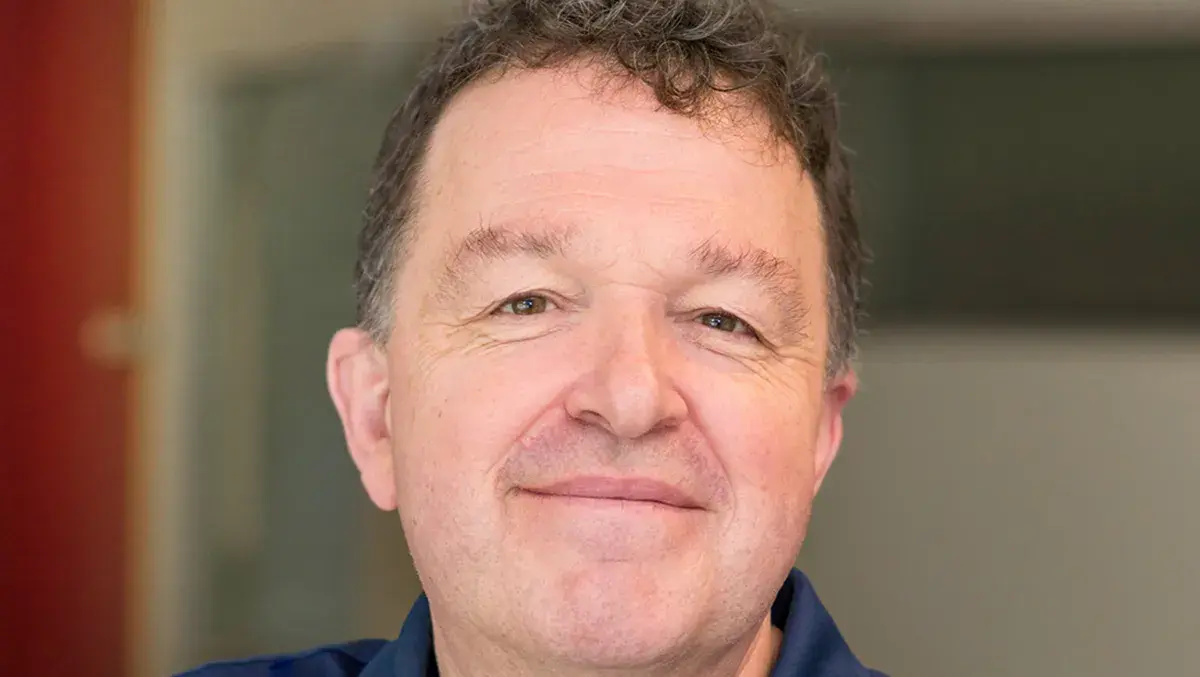

Editorial notice. CONUI is an independent editorial publication. This article is editorial coverage based on publicly available information; CONUI is not affiliated with, endorsed by, or representing any individuals, companies, or projects mentioned. Nothing in this article constitutes financial, investment, or legal advice. See our editorial standards.
Open-source software has produced an unusual category of self-made technology entrepreneur: founders whose multi-billion-dollar fortunes were built not by patenting code but by giving it away. The pattern recurs across the past three decades — from Linus Torvalds and the Linux kernel, to Mitchell Baker at Mozilla, to Vitalik Buterin with Ethereum, to Mike Cannon-Brookes at Atlassian. This list profiles several of the most influential figures who turned permissively-licensed software into the foundation of major commercial enterprises and durable personal wealth.
| Open-Source Founders — Quick Facts | |
|---|---|
| Common pattern | Permissive software licence; commercial layer (services, hosting, tooling, or platform) built on top |
| Combined estimated wealth | Multi-tens of billions across the figures profiled below (Forbes 2025 estimates) |
| Geographic spread | United States, Australia, Canada, Russia/Switzerland, Spain, Israel |
| Reference industries | Operating systems, developer tools, distributed networks, observability, databases |
1. Linus Torvalds — Linux Kernel
Linus Torvalds is the Finnish-American software engineer who created the Linux kernel in 1991, while a 21-year-old computer-science student at the University of Helsinki. The kernel — released under the GPL licence — went on to power most of the world’s web servers, supercomputers, mobile operating systems (via Android), and embedded devices.
Unlike many on this list, Torvalds has not personally accumulated a billion-dollar fortune; he has stated in interviews that this was a deliberate choice and that he prefers to work on the kernel rather than commercial ventures. His 1996 book Just for Fun is widely cited as a primary source on his philosophy. He continues to lead Linux kernel development through the Linux Foundation.
2. Mike Cannon-Brookes & Scott Farquhar — Atlassian
Mike Cannon-Brookes and Scott Farquhar co-founded Atlassian in Sydney, Australia, in 2002, while university students at the University of New South Wales. The company built developer-collaboration tools — including Jira, Confluence, and Bitbucket — which have become standard infrastructure in tens of thousands of engineering organisations worldwide.
Atlassian went public on Nasdaq (ticker TEAM) in December 2015. Forbes has estimated the personal net worth of each co-founder in the range of approximately $14–18 billion as of 2025, though figures fluctuate with the company’s share price.
3. Mitchell Baker — Mozilla and the Open Web
Mitchell Baker is the American attorney and technology executive who has led the Mozilla Foundation since its 2003 founding, after the Netscape source-code release that created the Mozilla project in 1998. While Mozilla operates as a non-profit and Baker has not built a personal fortune comparable to others on this list, her influence on open-source web standards through the Firefox browser and surrounding tooling is widely cited as foundational.
4. Vitalik Buterin — Ethereum
Vitalik Buterin co-founded Ethereum, an open-source distributed computing platform launched in 2015. The protocol’s source code — released under permissive licences — has been forked and adapted by hundreds of derivative networks. Forbes has estimated Buterin’s personal net worth at approximately $1.0–1.5 billion as of 2025; the figure fluctuates with the price of ether and is not independently verified.
Buterin is one of relatively few founders on this list who has remained directly engaged in technical work, continuing to publish research papers and review protocol designs more than a decade after the project’s founding.
5. Olivier Pomel — Datadog
Olivier Pomel is the French co-founder and CEO of Datadog, a New York-based observability platform built on a substantial open-source foundation, including agents, libraries, and integrations distributed under permissive licences. Datadog went public on Nasdaq (ticker DDOG) in September 2019. Forbes has estimated Pomel’s personal net worth at approximately $2 billion as of 2025.
6. Shay Banon — Elastic
Shay Banon, an Israeli software engineer, created Elasticsearch in 2010 — the open-source distributed search engine — and co-founded the company Elastic NV to commercialise it. Elastic went public on the New York Stock Exchange in October 2018. The Elastic story is also notable as a high-profile case of open-source licence-relicensing tension: in 2021, Elastic shifted its core licence away from Apache 2.0 in response to competition with cloud-platform providers.
7. Drew Houston — Dropbox
While Dropbox itself is not primarily an open-source product, Drew Houston‘s contributions to Python’s open-source ecosystem (notably through the company’s hiring of Python creator Guido van Rossum) and Dropbox’s open-sourcing of internal tools have shaped open-source infrastructure broadly. Forbes has estimated Houston’s net worth at approximately $2 billion as of 2025.
8. Heinemeier Hansson and Hansson — Ruby on Rails / 37signals
David Heinemeier Hansson, the Danish-American software engineer, created Ruby on Rails in 2004 — an open-source web-application framework that powered an entire generation of startup engineering. Through the company that became 37signals / Basecamp, Hansson has built durable wealth as a founder while remaining one of the most influential public commentators on the open-source movement.
What These Founders Have in Common
Across the figures profiled above, several patterns recur:
- Permissive licensing — most chose Apache 2.0, MIT, or similar licences, rather than restrictive copyleft, allowing commercial integration
- Hosted-service business models — the commercial layer is typically a managed-service or platform on top of the free codebase
- Long-term founder involvement — most remained in technical or strategic roles for at least a decade
- Geographic diversity — open source has produced founders far beyond the traditional U.S. venture-capital corridors
- Distinct philanthropic patterns — several have signed the Giving Pledge or directed substantial funding into research and public-good initiatives
Methodology
Net-worth figures cited in this article are estimates published by Forbes, Bloomberg, or comparable financial-news outlets, in some cases supplemented by SEC filings or company annual reports. They are subject to change and not independently verified. Figures reflect publicly disclosed shareholdings and are sensitive to share-price movements.
Sources & References
- Forbes — World’s Billionaires List
- The Linux Foundation
- Atlassian — Leadership
- Mozilla Foundation
- Datadog — Leadership
- Elastic — Leadership
- The Giving Pledge — Pledger List
The information on this page is for informational purposes only and reflects publicly available information at the time of publication. Net-worth figures are third-party estimates and may not reflect current values. This content does not constitute financial, investment, or legal advice. Corrections and updates are made as new information becomes available.