Editorial notice. CONUI is an independent editorial publication. This article is editorial coverage based on publicly available information; CONUI is not affiliated with, endorsed by, or representing any individuals, companies, or projects mentioned. Nothing in this article constitutes financial, investment, or legal advice. See our editorial standards.
For three decades, the Italian–Monégasque studio Wally — founded in 1994 by entrepreneur and ocean racer Luca Bassani Antivari — has been one of the most recognisable, and most imitated, voices in modern yacht design. From the radical stealth-grey silhouette of the Wally Power 118 to the flush-decked sailing yachts of the Magic Carpet series, Wally’s design language has shaped how a generation of naval architects, interior designers, and builders think about lines, surfaces, and the relationship between speed and minimalism on the water. In 2019, the brand became part of Italy’s Ferretti Group, opening a new chapter in its story.
| Wally — Quick Facts | |
|---|---|
| Founded | 1994 — Monaco |
| Founder | Luca Bassani Antivari (Italian; founder, designer, lifelong sailor) |
| Style hallmarks | Flush decks; sharp horizontal lines; concealed hardware; minimalist interiors; performance-first hulls |
| Iconic projects | Wallygator (1991); Tiketitoo (1998); Wally Power 118 (2003); Esense (2006); Better Place (2010); Galma (2013) |
| Current ownership | Ferretti Group (acquired 2019) |
| Reference | wally.com |
The Founder — Luca Bassani Antivari
Luca Bassani Antivari, born in Italy in 1956 into a Lombard industrial family, was a competitive sailor before he became a designer. He has spoken in published interviews about a childhood spent on Lake Como and along Mediterranean coastlines, and a long career as an amateur racing sailor on the international circuit.
Bassani has said that the original idea for Wally emerged from a personal frustration: he wanted a sailing yacht that combined the simplicity and performance of a racer with the ease and comfort of a cruising yacht — and could not find one to buy. The first Wallygator, refitted from an existing hull and launched in 1991, was his answer to that gap.
Birth of the Wally Aesthetic
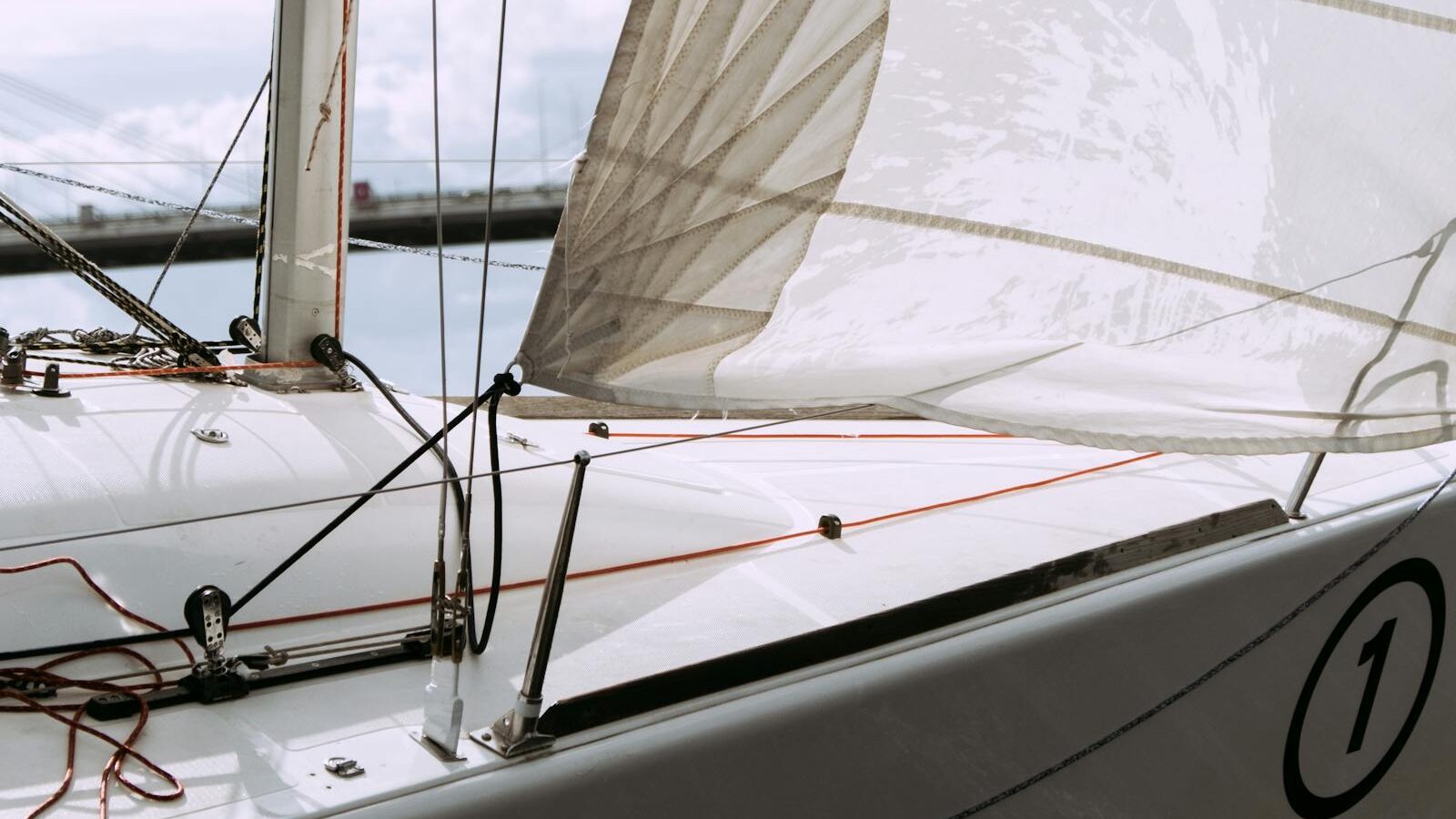
The studio’s founding philosophy was direct: that a yacht should look as fast as it sails, that hardware should disappear into the deck rather than clutter it, and that interiors should be furnished like an architect’s loft rather than a hotel suite. From the outset, Wally favoured horizontal lines, recessed fittings, large flush deck areas, and a near-monochromatic palette — a clear departure from the gold-and-marble idiom that dominated yacht design in the 1980s and early 1990s.
The early Wally yachts attracted attention not only from owners but from naval architects and design press across Europe. Bassani repeatedly partnered with established naval-architecture firms — including Judel/Vrolijk, German Frers, and Lazzarini & Pickering — but the styling and interior brief consistently came from Wally itself.
Wallygator and the First Generation
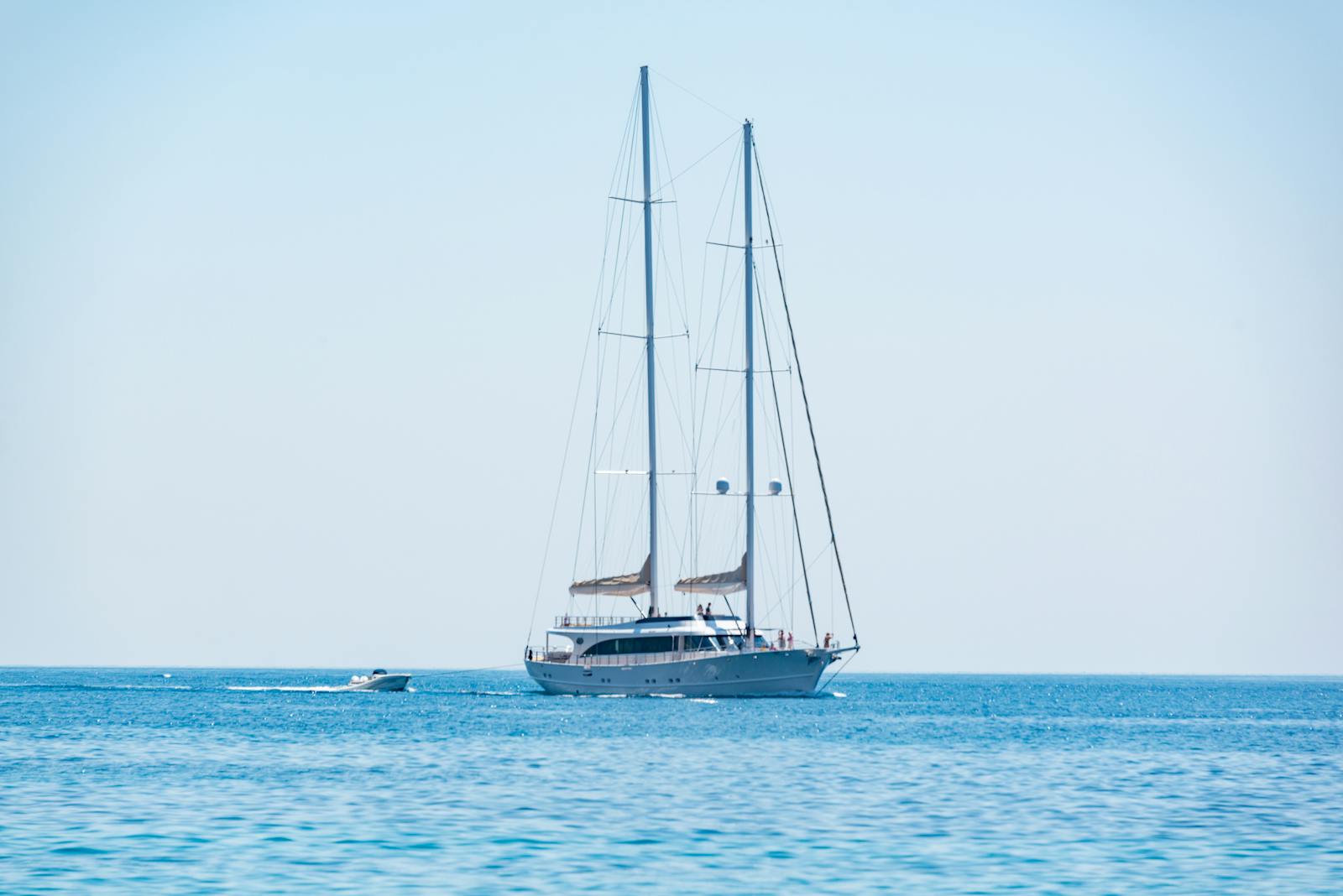
The first sailing yachts to be built from the ground up under the Wally name in the mid-1990s — including Tiketitoo (1998) and the second-generation Wallygator II — established the studio’s signature approach: powerful sailing performance, simplified deck surfaces, and an interior that read more like a Milan apartment than a traditional yacht saloon.
By the late 1990s, Wally had won design awards from Boat International and other industry outlets and had begun to be cited as a stylistic influence on competitors. The brand exhibited regularly at the Monaco Yacht Show and built a reputation for a distinctly Italian–Monégasque aesthetic that was difficult to mistake for anything else on the water.
Wally Power 118 — When a Profile Becomes a Symbol
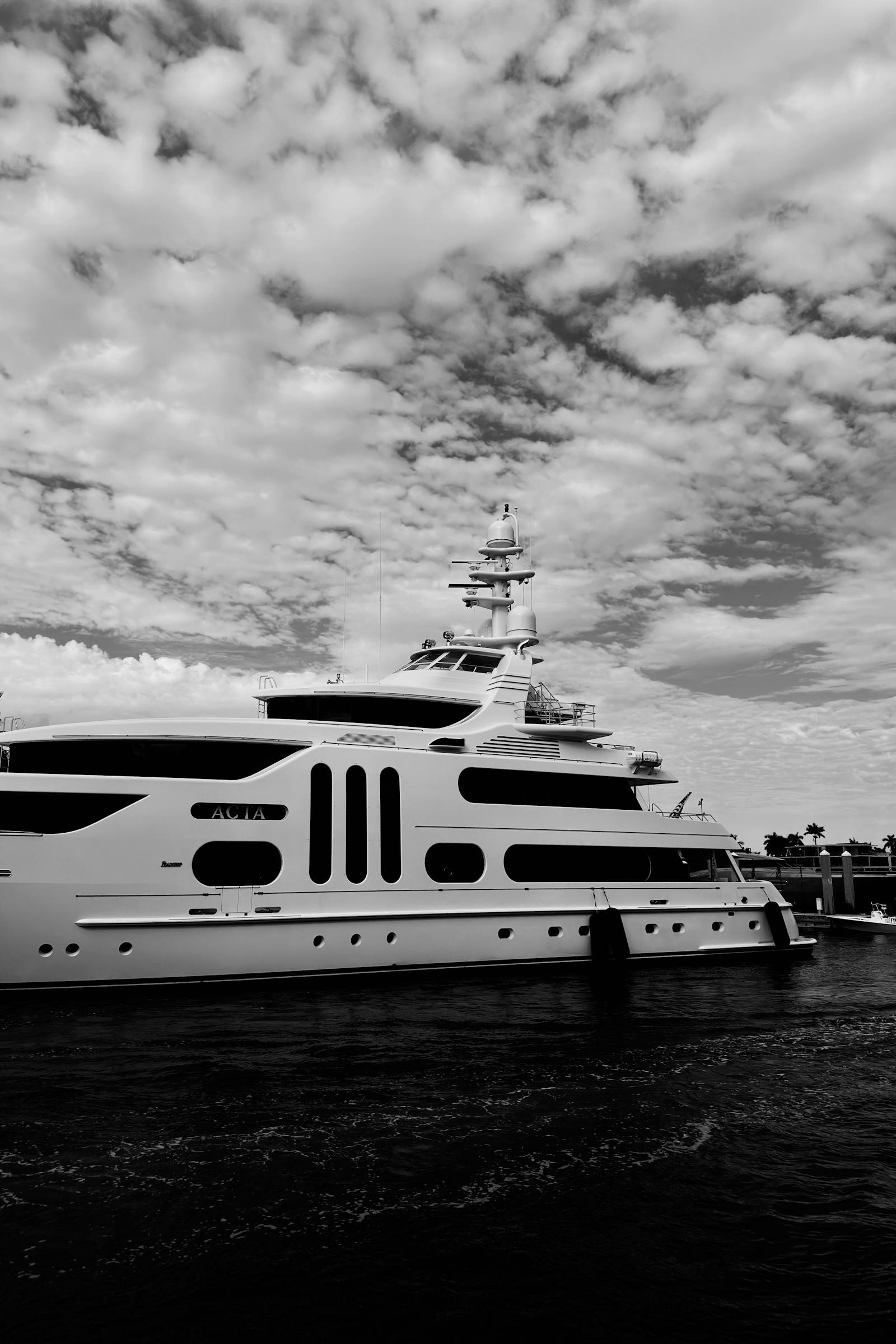
In 2003, Wally launched the Wally Power 118, a 36-metre motor yacht with a profile that broke decisively from the rounded superstructures of conventional motor yachts of the period. With its near-flat sides, sharp prow, and matte-grey colour scheme, the Wally Power 118 was widely compared in design press to a stealth aircraft — a reference Bassani has acknowledged in interviews.
The yacht has since been one of the most photographed vessels of the 2000s. Coverage in Boat International, Architectural Digest, and design publications worldwide turned its silhouette into a kind of visual shorthand for “modern yacht”. Three units were built; one of the most-photographed, Galeocerdo, has been featured in major design retrospectives.
The Magic Carpet Series and the Flush-Deck Doctrine
While the Wally Power 118 brought the studio international visibility, Wally’s core continued to be sailing. The Magic Carpet series — a sequence of high-performance racer-cruisers commissioned by the same private owner, with each successive yacht larger than the last — became the studio’s most direct expression of its founding doctrine: flush decks, minimal hardware, and performance-first hulls combined with elegant cruising interiors.
By the launch of Magic Carpet 3, a 30-metre Frers-designed sloop completed in the 2010s, the series had been profiled in international design and sailing press as a benchmark for modern racer-cruiser design.
Wally and the Cruising–Sailing Crossover
Wally’s larger sailing yachts — including the 50-metre Esense (2006), Better Place (2010), and Galma (2013) — pushed the studio’s design philosophy into the high-end cruising segment. These were yachts that could realistically sail competitively in regattas such as the Maxi Yacht Rolex Cup while offering large-volume interiors and family cruising amenities.
Wally also developed a parallel motor-yacht line — including the Why series of catamaran motor yachts and the WallyTender dayboat range — extending the studio’s stylistic vocabulary across the full size spectrum from tenders to superyachts.
The 2019 Ferretti Acquisition
In 2019, the Italian conglomerate Ferretti Group acquired Wally, integrating the studio into its multi-brand portfolio alongside Riva, Pershing, Itama, Mochi Craft, CRN, Custom Line, and Ferretti Yachts. The acquisition was widely covered in Boat International and other industry press as a signal of the consolidation taking place across European yacht-building.
Under Ferretti ownership, Wally has continued to launch new projects — including the wallywind sailing yacht series and the wallypower motor-yacht range — with Bassani retained in a creative-direction role. According to Ferretti Group press materials, Wally’s Monaco design office continues to lead the brand’s styling.
Why Wally Reshaped Modern Yacht Design
Industry retrospectives have credited Wally with three durable contributions to the contemporary yacht-design vocabulary.
First, the flush deck. Before Wally, sailing-yacht decks were typically punctuated by raised cabin trunks, exposed winches, and clearly visible hardware. Wally’s insistence on continuous flush surfaces — with hardware flush-mounted, recessed, or hidden under flush hatches — has been widely adopted across the industry. Walking on a modern flush-deck racer-cruiser feels different from walking on its 1990s equivalent largely because of the visual language Wally helped to establish.
Second, the minimalist exterior. The matte, near-monochrome paint schemes that Wally pioneered with the Wally Power 118 — and the sharp, low-superstructure profiles that came with them — have been echoed in numerous subsequent motor-yacht designs. Industry coverage in Boat International and elsewhere has cited Wally as one of the design influences on the contemporary “explorer” and “stealth” motor-yacht typologies.
Third, the architectural interior. Wally’s interiors — typically commissioned from architects rather than from traditional yacht-interior decorators — popularised an approach in which yacht saloons read like residential lofts: open volumes, natural materials, restrained palettes, and few decorative flourishes. This residential-architectural sensibility has since become a mainstream language of high-end yacht interiors, used by studios from Salvagni to Studio Indigo.
The Wally Effect Today
As of 2025, Wally remains an active design and engineering studio operating from Monaco and Italy under Ferretti Group ownership. Recent projects include the wallywind110, a 33-metre sailing yacht, and continued development of the wallypower motor-yacht line. Builds are typically executed at Ferretti Group facilities in Italy.
Beyond Wally itself, the studio’s stylistic influence is now widely visible in the design output of other yards — particularly in the segment of 30-to-60-metre yachts where the architectural-minimalist idiom has become a default rather than an exception. Boat International and other industry publications routinely cite Wally as one of the small number of studios that meaningfully reshaped what a modern yacht looks like.
Wally Timeline
- 1991 — Luca Bassani launches the original Wallygator, a refitted sailing yacht that becomes the brand’s prototype
- 1994 — Wally is formally founded in Monaco
- 1998 — Tiketitoo launched; first ground-up Wally cruising yacht establishes the studio’s design language
- 2003 — Wally Power 118 launched; stealth-grey profile becomes a global design icon
- 2006 — Esense, a 50-metre sloop, extends the studio into superyacht territory
- 2010s — Magic Carpet series, Better Place, and Galma reinforce the flush-deck doctrine
- 2019 — Ferretti Group acquires Wally; Bassani remains in a creative-direction role
- 2020s — wallywind and wallypower lines continue under Ferretti ownership
Sources & References
- Wally — Official Site
- Ferretti Group — Corporate Site
- Boat International — Yacht Design coverage
- Wally Yachts — Wikipedia
- Monaco Yacht Show — Official Site
- Architectural Digest — Yacht and Design archive
This article describes a design studio and its publicly documented work. Specific year, dimension, and project details reflect publicly available information at the time of publication. Nothing in this article constitutes financial, investment, or purchasing advice. Corrections and updates are made as new information becomes available.